Top Signs of Termite Infestation Inside Living Trees
Across the Illawarra region, mature eucalyptus, gum, and other native trees form an essential part of the natural landscape. However, the coastal warmth and humidity in Wollongong also create an ideal habitat for subterranean termites, particularly aggressive species such as Coptotermes acinaciformis. While many property owners associate termites solely with structural timber in homes, living trees frequently serve as the central nest or nursery for these destructive pests.
Because subterranean termites typically consume the dead heartwood inside the trunk while leaving the living outer sapwood intact, an infested tree can appear lush, green, and completely healthy from the outside. Identifying the subtle early indicators is essential for safeguarding both the structural integrity of your trees and the safety of nearby buildings.
Key Indicators of Termites Inside Living Trees
Termites prefer darkness, moisture, and consistent temperatures, making the core of a mature tree the perfect shelter. Wollongong homeowners should monitor their garden trees for several distinct warning signs.
1. Mud Shelter Tubes on the Outer Bark
Subterranean termites build distinctive mud tracking tunnels made from soil, wood particles, and saliva to protect themselves from sunlight and predators while travelling. Inspect the trunk, particularly near the soil line, root flare, and branch unions. You may notice reddish-brown, vein-like mud trails running vertically up the fissures of the bark.
2. Hollow Resonances When Tapped
As termites feed on the inner heartwood, the center of the tree becomes hollowed out. A traditional and reliable test involves using a hard rubber mallet to tap firmly around the lower trunk at various heights. A healthy trunk yields a dull, solid thud, whereas an infested tree often produces a hollow, echoing resonance. In advanced cases, the bark might feel strangely springy or brittle under firm pressure.
3. Frass and Working Holes
Termites create small exit holes to regulate moisture, vent nest gases, or release winged reproductives. Around these small openings or settled within bark crevices, you might find fine, sawdust-like deposits known as frass, often combined with compacted mud plugs where the colony has sealed off external airflow.
4. Alate Swarms Near the Canopy or Base
During warm, humid evenings—common in Wollongong throughout spring and summer—reproductive winged termites (alates) take flight to establish new colonies. If you notice swarms emerging directly from trunk crevices or discover discarded translucent wings clustered around the base of a tree, an established colony is almost certainly active inside.
Warning Signs at a Glance
- Mud shelter tubes: Soil-based trails climbing the base or branching forks of the tree.
- Hollow sounding trunk: Distinct hollow feedback when struck with a blunt mallet.
- Moisture weeping: Liquid or damp patches oozing from small holes in the bark.
- Fungal brackets: Fungi growing on the trunk, indicating internal decay that attracts termites.
- Alate wings: Discarded flying insect wings caught in cobwebs or scattered at the tree roots.
Why Termite-Infested Trees Pose a Serious Risk
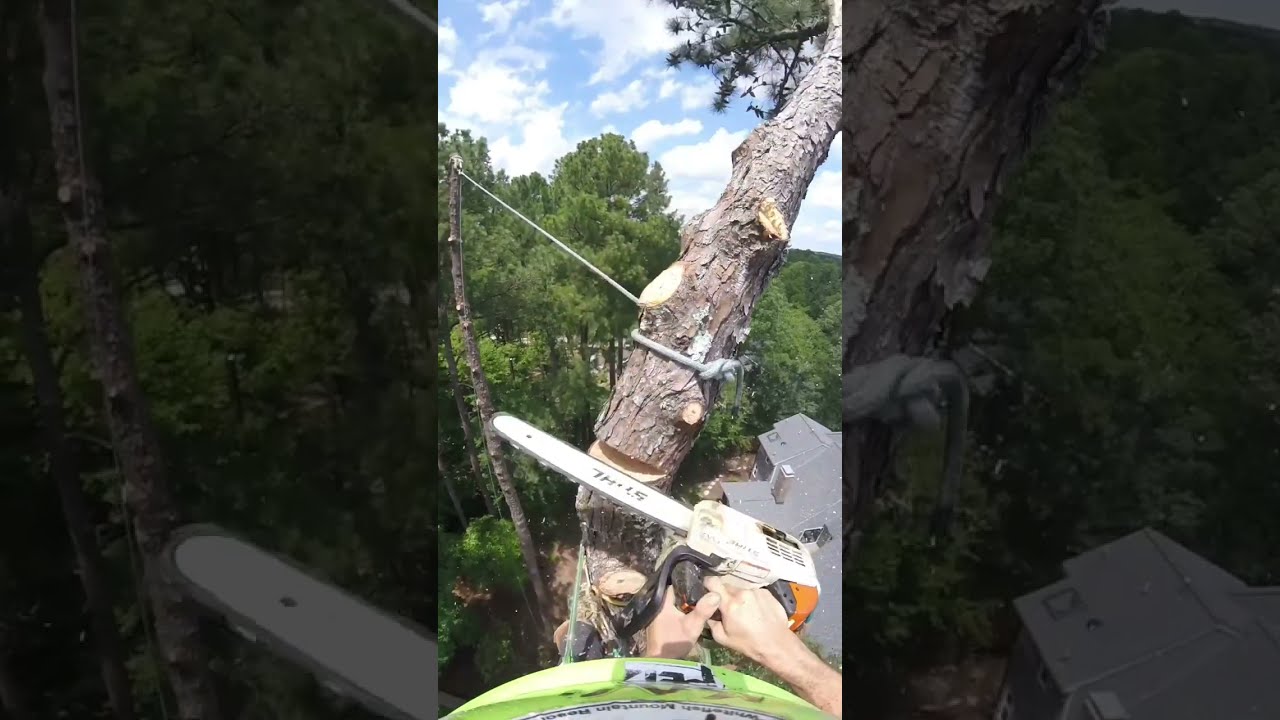
A termite colony nesting inside a tree on your Wollongong property poses a dual risk. First, hollowed trees lose their mechanical strength, significantly https://treeremovalwollongong.com.au/tree-pruning/ increasing the hazard of sudden branch drop or total tree failure during severe coastal storms. Second, subterranean termites forage underground for distances exceeding 50 to 100 meters. An established colony inside a tree will routinely bridge underground to find cellulose inside your subfloor, wall framing, or roof timbers.
Professional Assessment and Safe Treatment
If you suspect a tree on your property is harboring termites, avoid disturbing the site with household bug sprays or indiscriminate drilling. Dispersing the colony without eliminating the queen causes termites to seal off treated sections and redirect their foraging paths toward your home.
- Arrange a non-invasive inspection: Current 2026 pest management standards utilize advanced thermal imaging, termatrac radar sensors, and acoustic listening equipment to verify active colonies without compromising the tree.
- Targeted colony elimination: Certified pest specialists can introduce specialized insect growth regulator (IGR) baits directly into the active galleries, allowing worker termites to transport the toxicant back to eliminate the queen and entire colony.
- Arborist safety review: Once the colony is eradicated, an arborist can evaluate whether the structural loss requires corrective pruning or cabling to keep your property safe.
Routine inspections of both your home and surrounding grounds remain the most dependable way to catch termite activity early and preserve Wollongong's coastal tree canopies safely.
Wollongong Tree Removal Pros
106 Gipps St, Wollongong NSW 2500
(02) 4210 5945